The Reasons Glass Jars Are Perfect for Homemade Yogurt: Discovering the Advantages of Yogurt Maker Jars
Glass jars offer distinct advantages for homemade yogurt. The non-reactive properties safeguard probiotics, crucial for digestive wellness. Glass jars preserve steady fermentation warmth while permitting effortless tracking. Beyond practical benefits, they offer environmental friendliness and reusability. Yet, the advantages go further than these characteristics. Understanding how these jars enhance the yogurt-making process can lead to better results and a more enjoyable experience. Why are glass containers the favored option?
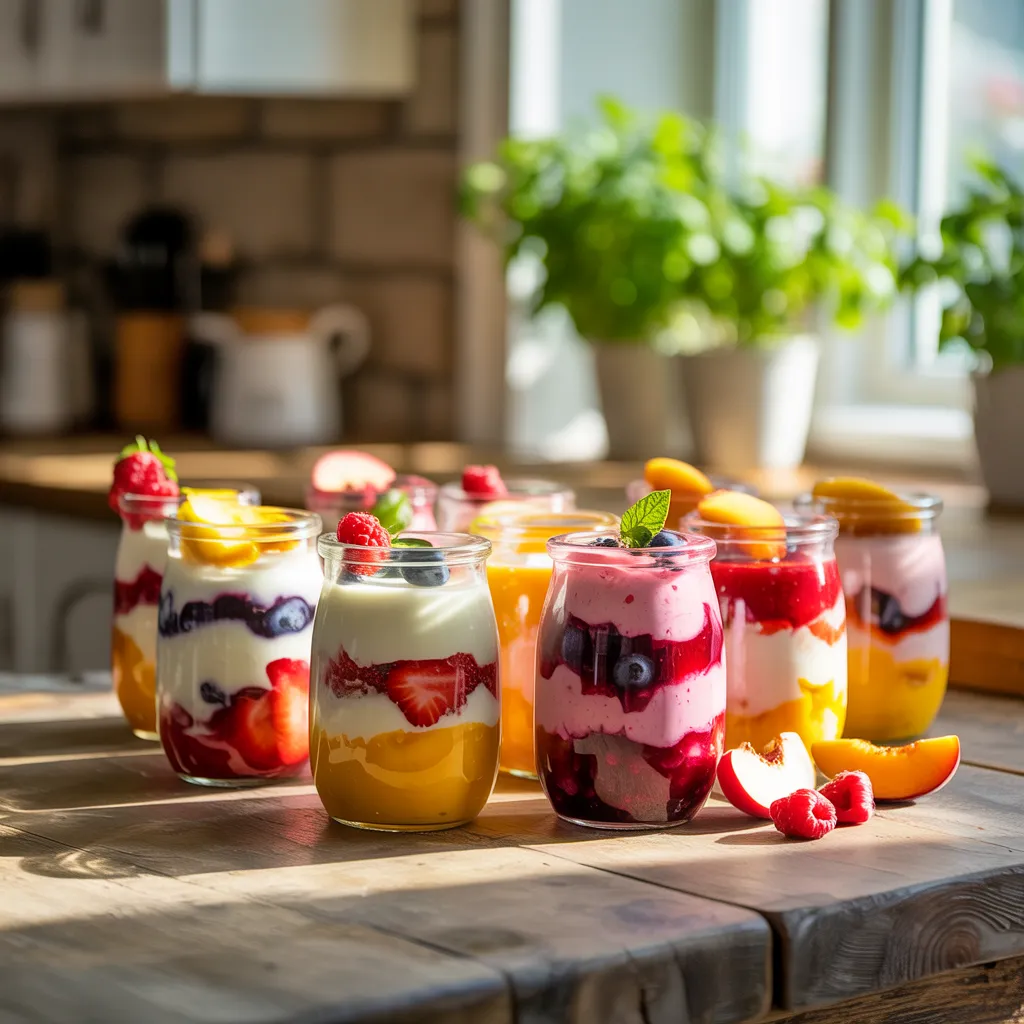
How Glass Jars Enhance Yogurt Fermentation
Whereas several factors affect yogurt fermentation, the option of container plays a significant role in obtaining perfect results. Glass jars, in particular, are very effective in this process. Their non-reactive nature ensures that no unwanted chemicals leach into the yogurt, providing a pure fermentation environment. This purity can improve the flavor profile and texture of the final product.
In addition, glass jars present exceptional insulation characteristics, which help sustain a consistent temperature throughout fermenting. This steadiness is essential, as yogurt cultures perform best within specific temperature limits. Also, the transparency of glass permits easy monitoring of the fermentation process without exposing the container, which could affect the temperature and incorporate contaminants.
Health Advantages of Working with Glass Jars for Preparing Yogurt
Utilizing glass jars for preparing yogurt not only optimizes the fermentation process but also delivers several health benefits. Glass is a non-reactive material, ensuring that no harmful chemicals leach into the yogurt during fermentation. This protects the integrity of the probiotics, which are vital for gut health. Moreover, glass jars are easy to clean and sterilize, decreasing the risk of bacterial contamination that could affect the yogurt's quality.
In addition, the transparency of glass allows for easy monitoring of the fermentation process, providing excellent conditions for the growth of beneficial bacteria. When yogurt is prepared in glass jars, it often leads to a fresher taste and enhanced texture, which can promote more frequent consumption of this nutritious food. On the whole, using glass jars not only supports the fermentation process but also enhances the enjoyment of healthier homemade yogurt.
Green Benefits of Glass Jars
Selecting glass jars for homemade yogurt contributes significantly to environmental sustainability. Unlike plastic containers, glass jars are crafted from natural materials, making them an eco-friendly alternative. They can be recycled indefinitely without losing quality, reducing landfill waste significantly. Furthermore, glass does not leach harmful chemicals into food, protecting both health and the environment.
Using glass jars also encourages a decrease in single-use plastics, which are a significant contributor to ocean pollution and wildlife harm. The durability of glass indicates it can be reused for years, even more decreasing the requirement for new manufacturing processes that use energy and resources.
In addition, glass jars are typically easier to sanitize and sanitize, making them a more environmentally conscious solution in the long run. By selecting glass, yogurt makers not only gain exceptional food storage but also directly promote a greener planet. This preference shows a dedication to both personal health and environmental responsibility.
Practical Tips for Using Glass Jars in Making Yogurt
A lot of yogurt lovers find that employing glass jars in the yogurt-making process increases both the quality of the final product and the overall experience. To optimize the positive aspects of glass jars, it is vital to verify they are correctly sterilized before use. This removes any harmful bacteria, encouraging a healthy fermentation environment. Moreover, selecting jars of uniform size allows even heat distribution during the yogurt-making process.
Employing lids that fit securely helps maintain the right temperature, which is crucial for perfect fermentation. It is recommended to label jars with the date and flavor to keep track of freshness and varieties. Furthermore, placing jars on a firm surface during incubation reduces the risk of spills. Lastly, avoiding drastic temperature changes when moving jars from the yogurt maker to the fridge will help preserve texture and flavor. By following these practical tips, yogurt makers can achieve dependable and delicious results.
The Way Glass Jar Seals Maintain Yogurt Freshness
Although the standard of yogurt largely is determined by the fermentation process, the seals of glass jars serve a crucial role in protecting its freshness. A well-sealed glass jar functions as a barrier against external elements, such as air and moisture, which can result in spoilage. This airtight environment helps maintaining the perfect pH and temperature levels within the jar, allowing beneficial bacteria to thrive while preventing harmful microorganisms.
Furthermore, glass jars are impervious and do not absorb odors or flavors, ensuring that the yogurt continues to be pure and untainted. The transparency of glass also allows for easy monitoring of yogurt quality without affecting the seal. Moreover, using lids designed for a tight fit extends the longevity of the yogurt, allowing it to keep fresh for an extended period. Finally, the effective seals of glass jars make them a premium choice for yogurt enthusiasts seeking freshness and quality.
Popular Questions
Is It Possible to Use Plastic Jars Rather Than Glass for Making Yogurt?
While plastic jars are suitable for making yogurt, they might not retain heat as well as glass containers. Furthermore, plastic can take in smells or discoloration, which could impact the yogurt's taste and overall quality as time passes.
How Do I Clean Glass Jars After Yogurt Making?
For cleaning glass jars following yogurt see more making, rinse them in warm water, scrub gently with a sponge, and utilize mild soap if necessary. Make sure of thorough rinsing to remove any soap residue ahead of air-drying completely.
What Size Glass Jars Work Best for Homemade Yogurt?
When making yogurt at home, quart-sized glass jars are ideal, supplying sufficient space for culturing while staying convenient. Smaller jars, such as pint-sized, deliver practical portion control, but quart jars commonly provide superior results for substantial batches.
Can Glass Jars Be Reused for Yogurt Multiple Times?
Yes, glass jars can be used again numerous times for yogurt. Appropriate sterilization and cleaning between uses make certain that they continue to be sanitary and safe, allowing for uniform yogurt production without compromising quality or flavor.
Are There Particular Glass Jar Brands Recommended for Making Yogurt?
Certain brands including Ball, Mason, and Weck are often recommended for yogurt making owing to their durability and airtight seals. These jars create optimal fermentation conditions, improving the quality of homemade yogurt significantly.