Ideal Jars for Crafting and Maintaining Homemade Yogurt
Picking the right jars for preparing and storing homemade yogurt is crucial for obtaining the best results. Multiple jar types and materials can greatly impact the fermentation process and overall quality of the yogurt. Glass mason jars are often favored for their durability and non-reactive properties. However, picking the appropriate size and ensuring proper maintenance are also key factors. Understanding these elements can contribute to a more successful yogurt-making experience. What should one focus on when picking the ideal jars?
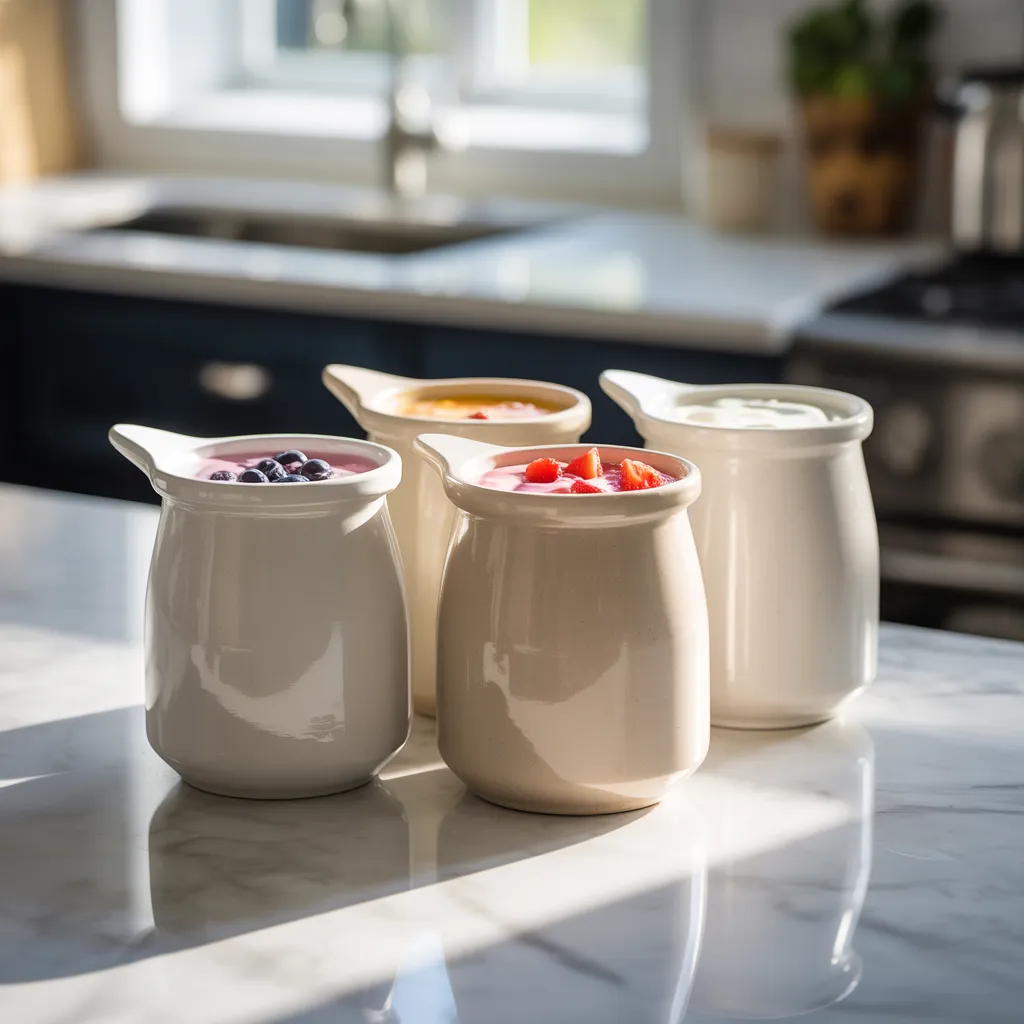
Why Proper Jars are Critical for Homemade Yogurt
Choosing the right jars for homemade yogurt is essential for reaching the best results. The jars used can substantially influence the fermentation process and the final texture of the yogurt. Suitable materials, such as glass or food-safe plastic, permit the even distribution of heat, critical for the growth of bacteria. Clear jars are beneficial, as they enable the maker to observe the yogurt's consistency without opening them, which can disrupt the fermentation environment.
Size represents another crucial element; jars ought to be properly dimensioned to hold the intended yogurt batch while preventing excessive air exposure. Additionally, jars with secure lids aid in maintaining a stable temperature and defend the yogurt from contaminants. On the whole, choosing the right jars not only secures a effective fermentation process but also improves the overall quality of the homemade yogurt, making it a worthwhile consideration for any yogurt enthusiast.
Crucial Jar Types for Creating and Preserving Yogurt
When it comes to making and storing yogurt, two primary jar types are noteworthy: glass mason jars and plastic containers with lids. Glass mason jars provide durability along with an airtight seal, rendering them excellent for fermentation. On the other hand, plastic containers deliver a lightweight and user-friendly choice, specifically for users who favor effortless handling and storage.
Traditional Mason Jars
Glass mason jars stand out as the quintessential choice for making and storing homemade yogurt. Their airtight seals ensure optimal fermentation, permitting yogurt cultures to prosper without exposure to contaminants. The transparent design of these jars allows easy monitoring of the yogurt's consistency and fermentation progress. Moreover, glass is non-reactive, which means it doesn't impart any unwanted flavors to the yogurt. These jars are available in various sizes, accommodating different batch needs, from small servings to larger quantities. They are also effortless to sanitize and can be reused multiple times, making them environment-conscious. With their resilience and usefulness, glass mason jars are a trustworthy option for yogurt enthusiasts looking to make delicious, homemade yogurt.
Plastic Containers With Lids
Numerous yogurt makers appreciate plastic containers with lids for their practicality and ease. These containers are lightweight, making them convenient to manipulate and transport, which is exceptionally beneficial for those who commonly make yogurt in batches. The airtight lids offer an strong seal that aids in maintain freshness and flavor during storage. In addition, plastic containers are often more budget-friendly than glass alternatives, making them obtainable for various budgets. They are usually dishwasher safe, streamlining clean-up after use. However, it is vital to go with high-quality, food-safe plastic to avert any chemical leaching during the yogurt-making process. All in all, plastic containers with lids are a multi-purpose option for both making and storing homemade yogurt.
Selecting Between Glass and Plastic: Which Jars Suit Your Yogurt Best?
What type of container truly excels at storing homemade yogurt: glass or plastic? The conversation frequently emphasizes flavor preservation, safety, and durability. Glass vessels are valued for their non-reactive characteristics, which supports maintaining the yogurt's flavor and freshness without the threat of leaching chemicals. Furthermore, glass is simple to wash and may be used repeatedly without limit, making it an environmentally friendly choice.
Plastic jars, in contrast, are light in weight and less susceptible to breakage, which might be more suitable for specific users. Yet, certain types of plastic can soak up odors and flavors over time, possibly impacting the yogurt's taste. Additionally, concerns related to BPA and other toxic chemicals in plastics have motivated many individuals to avoid them completely.
Ultimately, glass jars are viewed as the ideal option for those seeking to ensure the optimal quality and safety for their homemade yogurt.
Optimal Jar Sizes for Making Yogurt Batches
When selecting jar sizes for homemade yogurt, both quart and pint jars present unique advantages. Quart jars are ideal for larger batches, offering ample storage for those who enjoy yogurt regularly. In contrast, pint jars are ideal for smaller portions, allowing for easy customization and more rapid consumption.
Benefits of Quart Jars
Quart jars are some of the most functional choices for preparing homemade yogurt. Their size enables more generous portions, making them ideal for families or those who consume yogurt regularly. This size lessens the preparation frequency, offering convenience for hectic lifestyles. In addition, quart jars enable even fermentation owing to their spacious volume, supporting uniform results. The large mouth design streamlines both filling and cleaning, which is essential for preserving cleanliness. Additionally, quart jars are frequently compatible with diverse yogurt maker models, enhancing their adaptability. Their robust construction provides long-lasting performance, permitting years of use without worry of damage. These features make quart jars a preferred choice among those who make yogurt pursuing efficiency and reliability in their yogurt-making efforts.
Pint Jar Benefits
Pint jars offer a flexible option for those who favor smaller, more manageable portions of homemade yogurt. These containers are perfect for individual servings, making them great for lunches or on-the-go snacks. Their size also allows for easy storage in diverse refrigerator layouts, maximizing space efficiency. Furthermore, pint jars promote portion control, enabling yogurt enthusiasts sidestep overindulgence while still enjoying their favorite treat. They are also practical for gifting homemade yogurt, delivering an attractive presentation. With a diverse selection of lid options, pint jars can be firmly fastened, preserving freshness for longer periods. Overall, pint jars combine practicality and versatility, making them a popular choice for yogurt makers looking to streamline their yogurt preparation and storage process.
Essential Guidelines for Cleaning and Maintaining Yogurt Jars
Effective cleaning and maintenance of yogurt jars is vital for maintaining the quality and safety of homemade yogurt. To begin, it is essential to wash jars with soapy, warm water directly following use to stop bacteria growth. A complete rinse with hot water should follow, ensuring all soap residue is eliminated. Furthermore, using a bottle brush can help access challenging spaces where yogurt residue may stick.
For proper sterilization, jars should be boiled in water for ten minutes or positioned in a dishwasher on a high-temperature cycle. It is also important to regularly inspect jars expert advice for cracks or chips, as these can harbor harmful bacteria. After cleaning, jars should be air-dried completely before storage. Avoid using abrasive cleaners or scouring pads, as they can damage the jar's surface. By following these recommended practices, yogurt lovers can preserve the quality and lifespan of their yogurt jars.
Where You Can Find the Finest Jars for Producing Homemade Yogurt
Finding the right jars for making homemade yogurt can significantly improve the fermentation process and overall quality of the yogurt. Various avenues exist for obtaining suitable jars. Local kitchen supply stores typically carry a variety of glass jars that are ideal for yogurt fermentation. Additionally, many online retailers, such as Amazon or specialty home brewing websites, deliver a wider selection, including jars with airtight lids that help sustain the necessary temperature and avoid contamination.
Recycling glass jars from store-bought products is another eco-friendly option. Jars from beverages, sauces, or pickles can be repurposed, given that they are fully cleaned and sterilized. Community forums and social media groups dedicated to yogurt making may also provide suggestions and insights on where to find high-quality jars. By exploring these choices, yogurt enthusiasts can guarantee they find the ideal containers for their homemade creations.
Questions & Answers
Is It Possible to Reuse Store-Bought Yogurt Jars?
Certainly, jars from shop-bought yogurt can be utilized again. However, they should be completely cleaned and sterilized to stop contamination. Maintaining proper hygiene is vital for safe storage and preserving the quality of homemade yogurt.
What Is the Storage Duration for Yogurt in Jars?
Jarred yogurt can normally be kept in the refrigerator for one to three weeks. Yet, freshness and overall quality may degrade gradually, so it's best to consume it sooner to enjoy the finest taste and texture.
Should Jars Be Sterilized Prior to Use?
Indeed, sterilizing jars before use is necessary. This procedure eliminates dangerous bacteria and ensures a safe setting for yogurt fermentation. Adequate sterilization increases the quality and durability of the homemade yogurt created in those containers.
Can I Use Mason Jars for Yogurt?
Certainly, you can use mason jars for yogurt. Their airtight seals and heat resistance make them suitable for fermentation. Also, the range of sizes they come in enables flexible portioning of homemade yogurt.
Do You Need Specific Lids for Yogurt Jars?
Specific lids are not strictly necessary for yogurt jars, but tight-fitting lids help keep the right temperature and prevent contamination. Many prefer using silicone or plastic lids that enable some ventilation during fermentation for ideal results.