Unlocking the Secrets of Longevity Supplements: How They Work to Prolong Your Lifespan
Supplements focused on longevity have attracted interest for their possibility of extending lifespan and elevating well-being. These formulations often feature various ingredients focused on cellular health and lessening age-related diseases. Recognizing the mechanisms behind these products is crucial. What specific ingredients contribute to their effectiveness? As research progresses, the answers may reveal the key to a prolonged and improved life. What insights can be discovered about the science of aging and its relationship with these products?
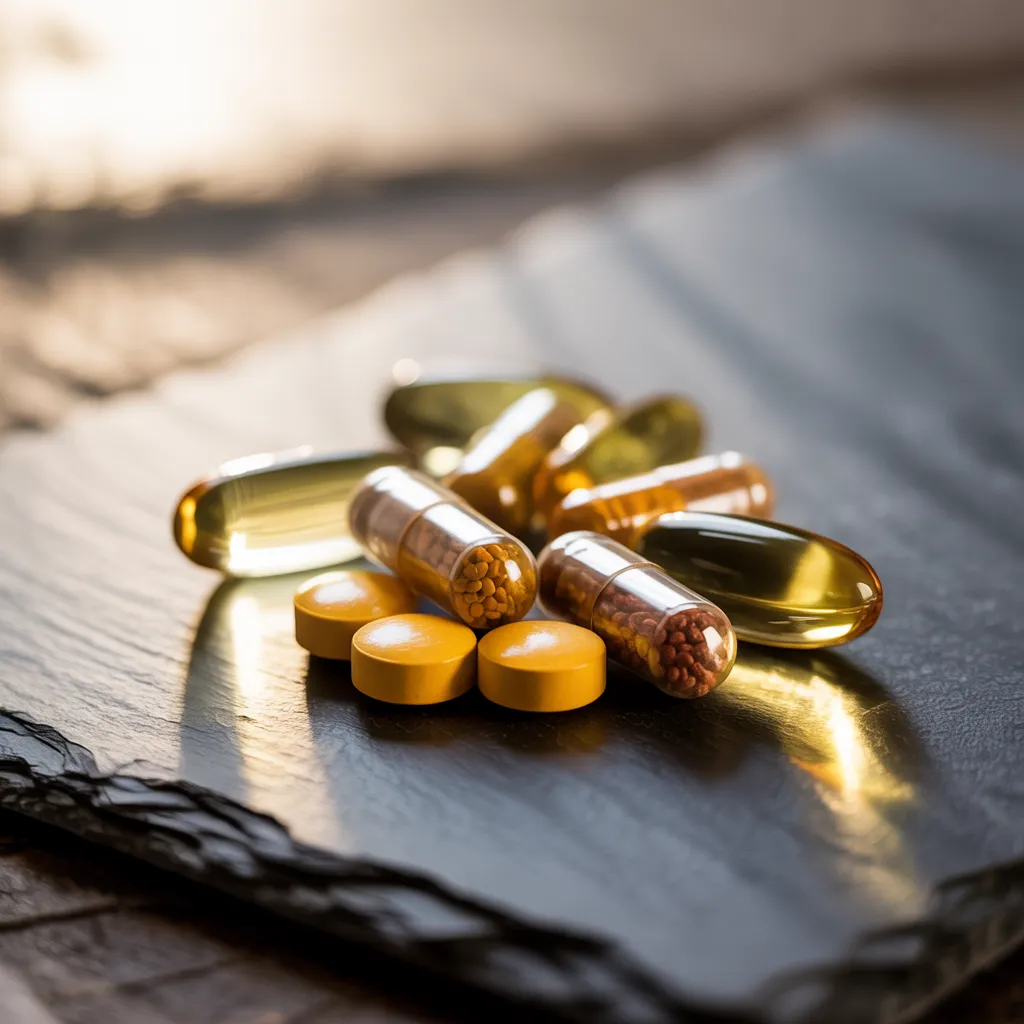
What Are Longevity Supplements and Their Mechanisms?
Longevity supplements represent dietary formulations created to encourage a longer, healthier lifespan. These supplements often contain a blend of vitamins, minerals, antioxidants, and herbal extracts aimed at supporting cellular health and reducing the risk of age-related diseases. Typical ingredients encompass resveratrol, curcumin, and omega-3 fatty acids, which are considered to exhibit anti-inflammatory and antioxidant qualities.
The way these supplements work can differ; certain ones might boost metabolic functions, while some address oxidative damage or promote cellular repair. Beyond their possible health advantages, such supplements are typically positioned as tools for increasing vigor and complete well-being as people grow older. Nonetheless, it is essential for consumers to exercise caution with these products, as the scientific data on their benefits can vary. Comprehending how these supplements function is important for those looking to improve their lifespan and life quality.
Your Biological Clock: The Science of Aging Explained
In what way does the biological clock affect the aging process? The biological clock, governed by genetic and environmental factors, plays a vital role in regulating cellular functions and overall physiological health. It dictates the timing of various biological processes, including cell division, metabolism, and repair mechanisms. As time passes, the buildup of cellular harm and the progressive decrease in how effectively these processes function lead to aging.
The protective caps called telomeres, located at chromosome ends, decrease in length with each cell division, representing a biological measure of aging. When telomeres become critically short, cells can no longer divide, leading to cellular senescence. Furthermore, epigenetic modifications have the ability to change gene expression without altering DNA sequences, thereby affecting aging and longevity. Understanding these mechanisms provides insight into how lifestyle choices and potential supplements may impact longevity, highlighting the significance of the biological clock in the aging journey.
Key Compounds to Search for in Longevity Supplements
In choosing longevity supplements, certain ingredients play an important role in supporting health and well-being. Antioxidants are crucial for cellular protection, countering oxidative stress that can speed up aging. Additionally, adaptogens assist with stress management, allowing the body maintain balance and resilience throughout time.
Antioxidants for Cellular Protection
As individuals seek to enhance their health and extend their lifespan, antioxidants emerge as essential components in longevity supplements. These compounds play a critical role in protecting cells from oxidative stress, a process associated with aging and various chronic diseases. By neutralizing free radicals, antioxidants assist in reducing cellular damage, thereby supporting general well-being and vitality. Common antioxidants present in longevity supplements include vitamins C and E, selenium, and polyphenols, all providing unique protective benefits. Research indicates that a diet rich in antioxidants can encourage longer life by improving immune function and reducing inflammation. Consequently, incorporating effective antioxidants into longevity supplements is essential for those seeking to maintain their cellular health and increase their life expectancy.
Managing Stress Through Adaptogens
When pursuing longevity, stress management is equally essential as fighting oxidative stress. Adaptogens, naturally occurring compounds that assist the body in adapting to stress, are critical ingredients in longevity supplements. These compounds, like ashwagandha, rhodiola, and holy basil, serve a crucial function in regulating the body's stress response. By modulating cortisol levels and improving resilience, adaptogens support mental sharpness and emotional stability. Research indicates that these herbs not only mitigate the effects of chronic stress but also support overall well-being, supporting a healthier lifespan. Adding adaptogens into a daily regimen can enable individuals to better cope with life's challenges, ultimately fostering a more sustainable and balanced approach to longevity.
The Role of Antioxidants in Increasing Lifespan
Antioxidants play an essential role in encouraging longevity by fighting oxidative stress, which is connected to various age-related diseases. These compounds neutralize free radicals—unstable molecules that can harm cells, proteins, and DNA, resulting in accelerated aging and chronic health issues. Common antioxidants include vitamins C and E, selenium, and flavonoids, which are found in fruits, vegetables, and whole grains. By incorporating antioxidants into the diet, individuals may diminish inflammation and support cellular repair mechanisms.
Studies indicate that a diet loaded with antioxidants can lower the risk of health issues such as heart disease, cancer, and neurodegenerative disorders. Additionally, antioxidants may improve the immune system, enhancing overall health and resilience against disease. As the body ages, its potential to produce natural antioxidants decreases, highlighting the necessity of external sources. Consequently, antioxidants represent a crucial component in the pursuit of a longer, healthier life, acting to reduce the effects of aging.
How Adaptogens Support Stress Management for Extended Longevity
These natural substances are recognized for their potential to lower cortisol levels, which is important in controlling stress. By increasing resilience to stressors, these natural compounds may promote improved overall well-being. This connection highlights the potential role of adaptogens in supporting a extended and healthier life.
Adaptogenic Herbs Reduce Cortisol Levels
Mounting research demonstrates that adaptogens perform a critical function in reducing cortisol levels, thus enabling individuals in managing stress competently. Adaptogens, for instance ashwagandha, rhodiola rosea, and holy basil, have been proven to regulate the body's stress response, resulting in lower cortisol production. Enhanced cortisol, frequently referred to as the "stress hormone," can have negative effects on health, including unwanted weight increase, anxiety, and impaired immune function. By facilitating hormonal balance and boosting the body's resilience to stressors, adaptogens promote overall well-being. This decrease in cortisol not only allows individuals deal with daily challenges but may also lead to improved longevity by minimizing the long-term effects of chronic stress on the body.
Build Resistance Toward Stress
While stress control is vital for overall well-being, many people have difficulty preserving resilience when confronting life's challenges. Adaptogens, a group of natural substances, are increasingly recognized for their ability to enhance the body's capacity to cope with stress. These compounds, found in plants like ashwagandha and rhodiola, work by modulating the stress response, consequently supporting mental clarity and emotional stability. By lowering weariness and improving stamina, adaptogens assist people in managing stressful situations more effectively. Additionally, they may contribute to reducing the risk of stress-related diseases, promoting a longer, healthier life. Embracing adaptogens can allow individuals to foster resilience, ultimately supporting their wellness and long life.
Resveratrol: The 'Fountain of Youth'?
Is resveratrol really the answer to increasing human life expectancy? This natural compound, found mainly in red wine, grapes, and certain berries, has captured focus for its possible age-defying characteristics. Studies indicate that resveratrol may activate sirtuins, a family of proteins connected to cellular health and longevity. These proteins are believed to improve the body's ability to withstand stress and encourage cellular repair processes.
Animal studies have shown that resveratrol can improve metabolic health, decrease inflammation, and mimic the effects of caloric restriction, which has been linked to increased lifespan. However, the translation of these findings to humans remains uncertain. While some studies show potential benefits, others call for more rigorous clinical trials to determine effective dosages and long-term impacts. As interest in longevity supplements rises, resveratrol continues to be a central element in the quest for the elusive "fountain of youth."
How Omega-3 Fatty Acids Affect Life Expectancy
Studies show that omega-3 fatty acids fulfill an important purpose in promoting heart health, which can contribute to increased longevity. Moreover, these fatty acids are recognized for their inflammation-reducing effects, further bolstering overall well-being. Grasping these benefits may present insights into their influence on lifespan.
Cardiovascular Health Advantages
Various scientific investigations have demonstrated the notable role of omega-3 fatty acids in supporting heart health, which may therefore influence overall lifespan. These essential fats, usually found in fish oil and certain plant sources, contribute to cardiovascular integrity by decreasing triglyceride levels, diminishing blood pressure, and optimizing arterial function. Research indicates that individuals with higher omega-3 intake typically show a lower risk of heart disease, a leading cause of mortality worldwide. Additionally, omega-3s are linked to enhanced heart rhythm and reduced plaque buildup in arteries. By bolstering heart health, omega-3 fatty acids may improve quality of life and longevity, making them a valuable component of a well-rounded approach to increasing lifespan through nutrition.
Effects on Reducing Inflammation
Omega-3 fatty acids serve an important function in decreasing inflammation, a key factor associated with many chronic diseases that can detrimentally influence lifespan. These essential fats, mainly found in fish oil along with specific plant sources, are known to influence inflammatory processes in the body. By diminishing the production of pro-inflammatory cytokines and promoting the synthesis of anti-inflammatory molecules, omega-3s help reduce conditions such as arthritis, heart disease, and neurodegenerative disorders. Research suggests that individuals with increased omega-3 intake experience diminished levels of inflammation-related markers, which relates to improved health outcomes. As a result, incorporating omega-3 fatty acids into the diet may offer a strategic approach to enhance longevity through inflammation reduction, ultimately resulting in a healthier, longer life.
How Vitamins and Minerals Contribute to Longevity Supplements
Whereas numerous factors play a role in healthy aging, vitamins and minerals play an essential role in the creation of longevity supplements. These micronutrients assist various physiological functions that can boost overall health and possibly extend lifespan. For example, antioxidants like vitamins C and E work to fight oxidative stress, which is related to age-related decline. Meanwhile, vitamin D promotes bone health and immune function, essential for older adults.
Minerals such as magnesium and zinc are fundamental for cellular functions and metabolic activities. Magnesium aids muscle and nerve function, while zinc plays a role in immune response and wound healing. In addition, B vitamins are important for energy metabolism and cognitive health.
Incorporating these vitamins and minerals into longevity supplements helps address nutritional deficiencies and promotes a comprehensive approach to aging, promoting vitality and resilience as individuals move through the later stages of life.
Tailoring Your Longevity Supplement Program
Tailoring a longevity supplement program entails examining personal health requirements and lifestyle factors to guarantee ideal benefits. Each individual's unique genetic makeup, medical history, and dietary habits play a significant role in identifying which supplements will be most beneficial. For instance, individuals with specific health issues, such as heart disease or diabetes, may need targeted supplements that support their particular needs.
Furthermore, age, gender, and activity level are essential considerations. Younger adults may emphasize preventive measures, while seniors might focus on supplements that enhance cognitive function or support joint health. Seeking advice from healthcare professionals can provide valuable insights, ensuring that chosen supplements correspond to personal health goals.
Furthermore, examining dietary intake aids in pinpoint potential nutrient deficiencies that supplements can address. By adapting the supplement program to individual requirements, one can maximize the potential for improved health outcomes and longevity.
Best Practices for Selecting and Implementing Longevity Supplements
When selecting longevity supplements, it is vital to give priority to quality and scientific backing to secure efficacy and safety. Consumers should seek products that have been through rigorous testing and have transparent ingredient lists. Working with healthcare professionals is essential, as they can supply personalized recommendations based on individual health needs and potential interactions with medications.
Moreover, it is important to assess the standing of the brand. Reputable companies with favorable reviews and a devotion to research are better positioned to produce dependable supplements. Users should also exercise caution regarding unrealistic claims and marketing tactics that lack scientific validation.
Finally, implementing a comprehensive approach that includes a healthy diet, regular exercise, and proper sleep can boost the advantages of longevity supplements. By incorporating these practices, individuals can optimize their potential of achieving a greater, healthier life through knowledgeable supplement use.
FAQ
Are Longevity Supplements Suitable for All Users?
Not everyone can safely use longevity supplements. Health conditions, prescribed medications, and personal sensitivities can impact their effectiveness. Professional medical consultation is necessary to evaluate compatibility and prevent potential harmful interactions or adverse reactions.
Can I Depend Exclusively on Supplements for Longevity?
Relying solely on supplements for longevity is not recommended. A balanced diet, routine exercise, and an overall healthy lifestyle are essential components that supplements alone cannot replace, as they are unable to address all elements of health and well-being.
How Much Time Is Needed to See Results From Longevity Supplements?
The effects of longevity supplements may differ, typically taking several weeks to months to show visible effects. Variables impacting effects consist of individual health, daily habits, and which supplement is taken, rendering continuous consumption essential for desired results.
Can Longevity Supplements Have Interactions With Prescription Medications?
Supplements for longevity professional advice may interact with prescribed medications, possibly changing their efficacy or leading to adverse effects. It is essential that people speak with medical professionals before merging supplements with their prescribed medications to secure safe and effective outcomes.
Which Lifestyle Adjustments Should Go Along with Longevity Supplement Consumption?
To maximize the positive effects of longevity supplements, users should embrace a healthy diet, participate in regular physical activity, ensure proper sleep, handle stress effectively, and maintain social connections to enhance overall well-being and longevity.